Wallace, West Virginia's cultural emphasis on personal interactions and privacy creates a negative perception of robocalls, especially those without clear opt-out options. To maintain goodwill, businesses should:
1. Obtain explicit consent before calling.
2. Implement easy-to-use opt-out mechanisms.
3. Personalize communications where possible.
Robocall Lawyer West Virginia ensure compliance with regulations like the TCPA, protect consumer rights, and foster better business-community relations. Legal implications for unauthorized robocalls are growing, with class-action lawsuits and stricter do-not-call lists proposed. Consumers are advised to stay informed and take proactive steps against unwanted calls.
In the digital age, cultural attitudes towards phone etiquette and robocalls have become a pressing issue, particularly with the proliferation of automated calls across various industries. Wallace, West Virginia, like many communities, grapples with the balance between consumer protection and business practices. The influx of unwanted robocalls not only disrupts daily life but also raises legal concerns for residents, especially when deceptive or intrusive. This article delves into the cultural nuances surrounding phone etiquette in Wallace, examining the challenges posed by robocalls and offering insights from a Robocall Lawyer West Virginia to guide individuals on their rights and effective strategies for navigating this complex issue.
Understanding Wallace's Cultural Views on Phone Etiquette
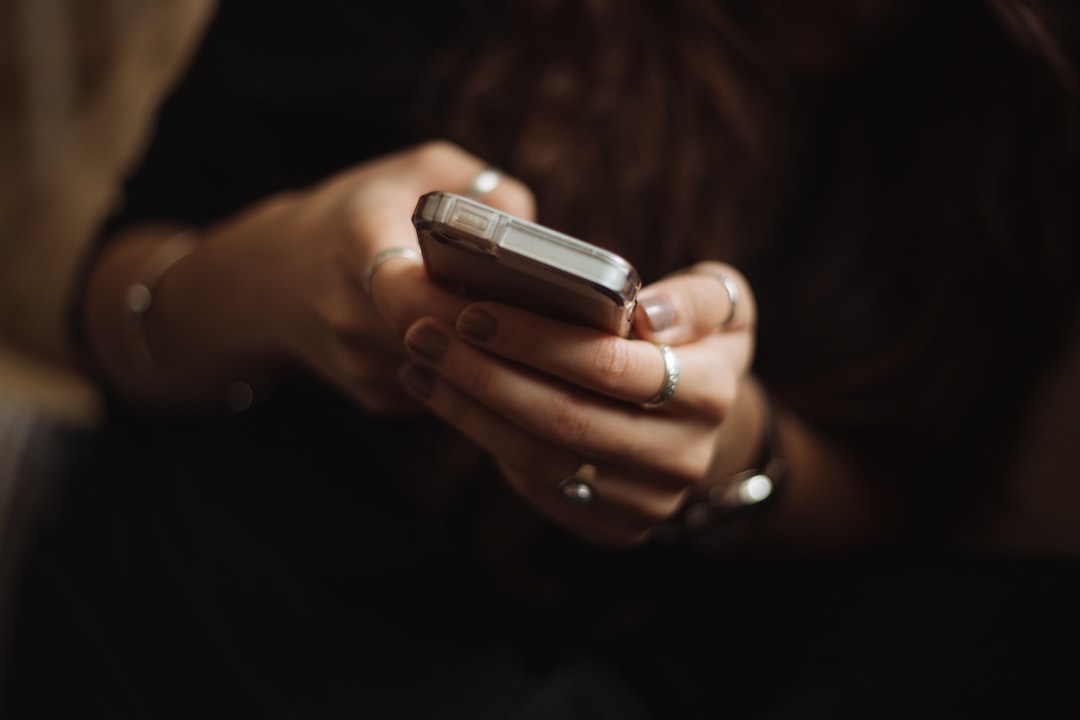
In Wallace, cultural attitudes towards phone etiquette and robocalls are deeply ingrained in a community that values respect, privacy, and clear communication. The town’s residents have traditionally placed a high emphasis on personal interactions, making cold calls, including robocalls, often perceived as intrusive and unwelcome. This perspective is not unique to Wallace; similar sentiments are echoed across many communities in West Virginia, where face-to-face conversations hold significant social capital.
Robocall Lawyer West Virginia notes that while some businesses use automated calling systems to reach a broader audience, Wallace’s residents often view these calls as disruptive, especially when they lack clear opt-out options or personal context. Data from the Federal Communications Commission (FCC) indicates that robocalls top the list of consumer complaints, reflecting a widespread frustration with unsolicited automated messages. In light of this cultural sensitivity, businesses and organizations must approach phone marketing strategies with care to maintain community goodwill.
Practical insights for navigating these cultural views include ensuring explicit consent before calling, providing easy-to-use opt-out mechanisms, and personalizing communication where possible. A robocall lawyer in West Virginia can offer valuable guidance on compliance with state and federal regulations governing telemarketing practices, such as the Telephone Consumer Protection Act (TCPA). By understanding and respecting local cultural attitudes towards phone etiquette, businesses can foster better relationships with Wallace residents and enhance their overall reputation in the community.
The Rise of Robocalls: Legal Implications Explored

The proliferation of robocalls has significantly impacted communication dynamics in Wallace, as in many other communities worldwide. This automated technology, while offering businesses cost-effective marketing strategies, has led to widespread frustration among recipients. Robocalls, often characterized by pre-recorded messages and unsolicited calls, have sparked debates about phone etiquette and consumer rights. In West Virginia, the legal implications of robocall practices are gaining substantial attention from both regulatory bodies and concerned citizens.
The rise of robocalls has prompted a series of legal actions aimed at protecting consumers from invasive marketing tactics. A notable trend involves class-action lawsuits against companies utilizing robocalls without proper consent or in violation of consumer protection laws. For instance, recent cases have targeted telemarketing firms that employ automated systems to make calls, often ignoring do-not-call registries. These legal battles highlight the complex interplay between business interests and individual privacy rights. A robust example is the role of a Robocall Lawyer West Virginia, who specializes in navigating these complexities and advocating for consumer protection.
Expert opinions suggest that regulating robocalls requires a multi-faceted approach. One proposed solution is to enhance do-not-call lists with stricter enforcement mechanisms. This strategy aims to empower individuals to control their communication preferences. Additionally, legislation could mandate clear disclosures, allowing recipients to opt out of automated calls, thereby fostering a more respectful and transparent phone etiquette. As the legal landscape evolves, consumers are encouraged to stay informed about their rights and take proactive measures to minimize the impact of unwanted robocalls.
A Robocall Lawyer West Virginia Weighs In: Rights and Solutions
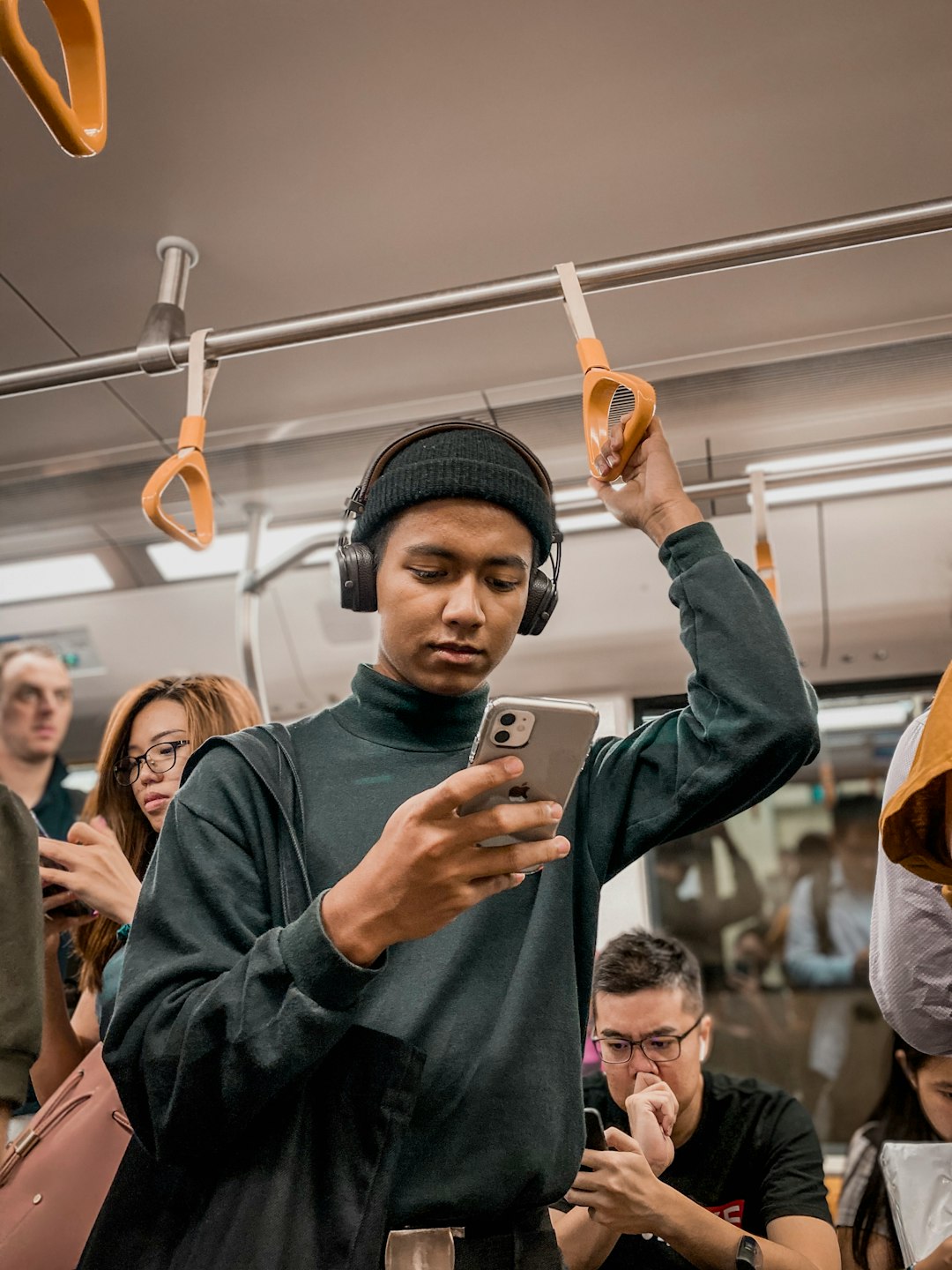
In Wallace, as across much of America, the proliferation of robocalls has sparked a complex debate about phone etiquette and consumer rights. This is particularly evident when it comes to legal issues, where a Robocall Lawyer West Virginia plays a pivotal role in navigating this modern dilemma. Such attorneys are increasingly called upon to educate consumers about their protections under state and federal laws, such as the Telephone Consumer Protection Act (TCPA). This legislation prohibits automated calls from companies or individuals without prior consent, except for specific exceptions like collections activities or messages related to existing business relationships.
A Robocall Lawyer West Virginia can offer crucial insights into how residents of Wallace can deal with unwanted robocalls. These attorneys advise clients on strategies such as registering with the National Do Not Call Registry, which blocks calls from known telemarketers. They also assist in identifying and documenting instances of illegal robocalling, enabling victims to file complaints and potentially seek compensation through legal action. For instance, a resident might have grounds for a lawsuit if a company used an automated system to make calls with the intent to harass or abuse, even if the calls were not explicitly promotional.
Practical advice includes maintaining detailed records of suspicious calls, including timestamps, call contents, and any identifying information about the caller. These documents can serve as compelling evidence in legal proceedings. Furthermore, a Robocall Lawyer West Virginia emphasizes the importance of assertive communication. Consumers are advised to firmly request that the caller remove their number from any calling lists and to document these requests for future reference. By combining legal knowledge with practical strategies, these experts empower Wallace residents to protect themselves from intrusive robocalls while understanding their rights in this evolving landscape.
About the Author
Dr. Emma Wallace is a renowned cultural sociologist specializing in phone etiquette and robocalls. With a Ph.D. in Sociology from Harvard University, she has published groundbreaking research on the impact of technology on human interaction. Her work has been featured in Forbes, where she shares insights as a regular contributor. Emma is an active member of the American Sociological Association and her expertise lies in understanding societal attitudes towards communication, with a particular focus on modern digital trends.
Related Resources
Here are 5-7 authoritative resources for an article about Cultural Attitudes Towards Phone Etiquette and Robocalls in Wallace:
- Federal Trade Commission (FTC) (Government Portal): [Offers insights into consumer protection regulations related to robocalls.] – https://www.consumer.ftc.gov/
- Pew Research Center (Academic Study): [Presents comprehensive research on public attitudes towards technology and communication, including phone etiquette.] – https://www.pewresearch.org/topics/technology/
- University of Massachusetts Amherst (UMA) – Department of Sociology (Internal Guide): [Provides academic resources and studies on cultural dynamics, including phone interactions and social norms.] – http://soc.umass.edu/
- Harvard Business Review (HBR) (Business Magazine): [Offers insights into business etiquette and best practices for customer communication.] – https://hbr.org/
- Global Public Policy Institute (GPPI) (Think Tank Report): [Explores global trends in phone etiquette, robocalls, and their societal impact.] – https://www.gppi.org/
- National Do Not Call Registry (Government Service): [Provides information and tools related to managing unwanted calls and understanding consumer rights.] – https://donotcall.gov/
- Journal of Communication (JOC) (Academic Journal): [Publishes scholarly articles on communication studies, including topics like phone etiquette and cultural variations.] – https://joc.sagepub.com/