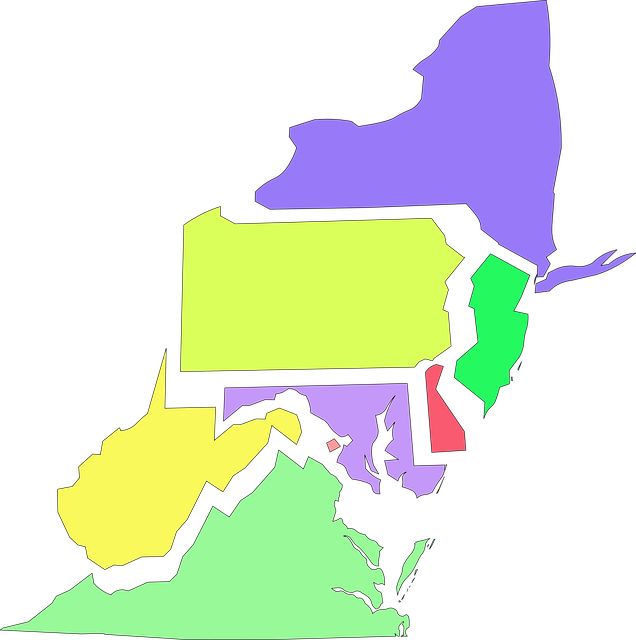
Robocall West Virginia crisis exacerbated by political campaigns and telemarketers using AI for personalized, bulk messaging. Traditional blocking methods ineffective against adaptive AI systems. Solutions: Stricter regulations, industry-academia collaboration on ethical AI practices, consumer education, advanced filtering systems, STIR/SHAC protocols, anti-deception tech, and robust reporting mechanisms to secure communication channels.
Robocalls have become a ubiquitous yet unsettling aspect of modern communication, especially for folks in Robocall West Virginia. While they offer businesses efficient marketing strategies, the volume and often deceptive nature of these automated calls have burdened residents with unwanted interruptions. The rise of artificial intelligence (AI) presents both challenges and opportunities in mitigating this issue. This article delves into the complex interplay between AI and robocalls, exploring innovative solutions to protect consumers while ensuring legitimate business practices in Robocall West Virginia and beyond. By examining current trends and potential technologies, we aim to provide valuable insights for policymakers, businesses, and residents navigating this evolving landscape.
Understanding Robocalls: The Current Landscape in West Virginia

Robocalls have become a pervasive aspect of modern communication in West Virginia, much like a bustling marketplace filled with vendors selling their wares. However, unlike these local markets, which offer tangible products and services, robocalls often bring unwanted messages from automated systems, leading to frustration among residents. The current landscape in West Virginia reveals a significant surge in robocalls over the past decade, averaging around 3 billion per month, according to recent data from consumer protection agencies. This deluge is primarily driven by political campaigns and telemarketing efforts, leveraging advanced AI technologies for precision targeting and mass communication.
The impact of these robocalls on West Virginia residents is profound. Polls suggest that over 70% of West Virginians find robocalls disruptive and often annoying. Moreover, the high volume has led to increased consumer complaints and a growing demand for effective solutions. Traditional methods like blocking numbers and registering on ‘Do Not Call’ lists have limited success due to the dynamic nature of robocall operations. AI-powered call screening tools emerge as a promising alternative, capable of identifying and filtering out these automated calls with high accuracy. For instance, some telecom providers are integrating AI algorithms that analyze caller behavior patterns and historical data to predict and block robocalls before they reach the user’s device.
To combat this issue effectively, West Virginia policymakers and industry leaders must collaborate. Implementing stricter regulations and fostering partnerships between telco companies and AI developers can lead to robust solutions. Encouraging the adoption of advanced call authentication protocols like STIR (Secure Telephone Identity Recognition) and SHAC (Safety, Security, and Privacy for Voice Services) is crucial. By enhancing the security and reliability of voice communications, these protocols can make it significantly more challenging for robocallers to operate successfully. Additionally, public awareness campaigns can educate residents on new tools and technologies designed to mitigate robocalls, fostering a collaborative approach to this persistent problem.
AI Integration: Enhancing or Harming Consumer Experience in Robocalls

The integration of artificial intelligence (AI) into robocalls presents a double-edged sword for Robocall West Virginia. While AI offers sophisticated capabilities to enhance call experiences—personalized messaging, real-time language translation, and advanced data analytics—it also raises significant concerns regarding consumer privacy and the potential for deceptive practices. As AI algorithms learn from vast datasets, including sensitive information, there is a critical need to ensure robust data security measures to safeguard personal details from misuse or unauthorized access.
One of the primary challenges lies in balancing the benefits of AI-driven personalization with preserving consumer autonomy. For instance, while an AI system might tailor robocall content based on individual preferences and demographics, it risks encroaching on privacy if not designed ethically. Moreover, as AI continues to evolve, the risk of automated calls becoming more sophisticated in deception tactics increases. A study by the Federal Trade Commission (FTC) revealed that robocalls using AI-generated voices and highly targeted scripts led to higher rates of consumer complaints, highlighting the delicate balance between innovation and protection.
To navigate this landscape, West Virginia should consider implementing stringent regulations governing AI integration in robocalls. This includes mandating transparency in how consumer data is collected and utilized by AI systems, ensuring robust privacy protections, and establishing clear guidelines for acceptable call practices. By fostering a collaborative environment between industry experts, consumer advocates, and regulatory bodies, Robocall West Virginia can create a framework that encourages responsible AI adoption while safeguarding the rights of its residents. Practical steps include promoting consumer education on identifying legitimate calls, encouraging the development of anti-deception technologies, and empowering individuals to report suspicious robocalls effectively.
Legal Considerations: Protecting Residents from Unwanted Calls in West Virginia

In the age of advanced artificial intelligence (AI), the future of robocalls presents both opportunities and challenges for West Virginia residents. As AI technology becomes more sophisticated, it raises significant legal considerations regarding the protection of citizens from unwanted and fraudulent robocalls. These automated calls, often used for telemarketing or political campaigns, have become a pervasive issue across the state, impacting countless households. With AI’s ability to personalize and scale communication, West Virginia must adapt its legal framework to effectively regulate this evolving landscape.
The current legal framework in West Virginia, while robust against traditional telemarketing practices, may require amendments to address modern robocall tactics employing AI. The state’s existing Do-Not-Call registry and regulations are essential tools to protect residents, but the emergence of advanced AI systems capable of evading detection poses a complex problem. For instance, AI-driven call patterns can quickly adapt to avoid blacklisting, making it difficult for traditional blocking mechanisms to keep up. Furthermore, the use of synthetic voices and automated script changes further complicates matters, as these techniques allow calls to bypass existing identification protocols.
To combat this, West Virginia may consider implementing stricter regulations that specifically target AI-driven robocalls. This could involve mandatory disclosure of the automated nature of the call, enhanced consumer education on identifying fraudulent attempts, and stronger penalties for non-compliance. Collaborating with telecommunications providers to develop advanced filtering systems tailored to detect and block AI-generated calls is another strategic approach. By staying at the forefront of this technological shift, West Virginia can ensure that its residents are protected from the nuisance and potential risks associated with robocalls, fostering a more secure and informed digital environment.
Future Trends: Predicting Robocall Behavior with Advanced AI Techniques

As the technology behind robocalls continues to evolve, West Virginia residents and businesses can expect more sophisticated and targeted automated calls in the future. Advanced artificial intelligence (AI) techniques are enabling more nuanced prediction and personalization of robocall behavior, making them harder to ignore or block. Machine learning algorithms can now analyze vast datasets to identify patterns and trends in consumer behavior, allowing call centers to refine their messaging and timing for maximum impact.
Predictive analytics powered by AI can anticipate which calls will be answered based on demographics, past interactions, and even weather conditions. This enables a more strategic approach to calling, focusing resources on promising leads while minimizing wasted efforts. For instance, a financial institution might use AI to predict when a homeowner in Robocall West Virginia is most likely to be considering a refinance, allowing them to initiate calls with tailored offers at the optimal time.
However, as AI becomes more prevalent in robocalls, so too does the need for robust consumer protection and privacy measures. West Virginia’s existing regulations will need to adapt to address these new challenges, ensuring that consumers are not only protected from unwanted calls but also have clear opt-out options and transparent data handling practices. By embracing AI advancements while maintaining a strong regulatory framework, Robocall West Virginia can foster a more efficient and effective communications environment for all stakeholders.
Empowering West Virginians: Tools and Strategies Against AI-Powered Robocalls

Robocalls have become a pervasive issue across the United States, including Robocall West Virginia, with AI technology significantly escalating the problem. Advanced AI algorithms power sophisticated automated calling systems, enabling bulk messaging at scale. While these technologies offer benefits in marketing and customer service, their misuse as robocalls poses significant challenges for consumers, particularly in rural areas like West Virginia where traditional communication methods still hold strong. The sheer volume of unwanted calls can lead to heightened stress levels, reduced productivity, and even privacy concerns.
Empowering West Virginians to combat this modern nuisance requires a multi-faceted approach leveraging existing tools and strategies tailored to the unique characteristics of AI-powered robocalls. One effective method is implementing Do Not Call registries at both state and local levels, ensuring residents can easily register their phone numbers to prevent unwanted calls. Additionally, robust data analytics and machine learning models can be employed to identify patterns in robocall activities, helping law enforcement agencies target culprits more effectively. Education and awareness campaigns are paramount; teaching citizens about the latest robocall tactics enables them to spot and report suspicious calls promptly.
For instance, a recent study by the Federal Trade Commission (FTC) revealed that while overall robocall volumes decreased slightly, AI-generated voice calls increased by 30% in the past year. This trend underscores the need for proactive measures. West Virginia’s telecommunications regulatory bodies should collaborate with industry experts and consumer advocacy groups to establish best practices for blocking and tracing AI robocalls. Encouraging collaboration between phone carriers and implementing advanced call authentication protocols, such as STIR/SHIM, can significantly reduce the success rate of fraudulent calls. By staying informed about technological advancements and adapting strategies accordingly, West Virginians can reclaim control over their communication channels.
Related Resources
Here are 7 authoritative resources for an article about “The Future of Robocalls: AI Implications for West Virginia”:
- Federal Communications Commission (FCC) (Government Portal): [Offers insights into regulations and policies surrounding robocalls, including AI-driven technologies.] – https://www.fcc.gov/
- West Virginia University (Academic Study): [Presents research on the impact of AI on communication technologies in rural areas, relevant to West Virginia.] – https://www.wvu.edu/research/
- National Institute of Standards and Technology (NIST) (Government Research Institute): [Provides technical standards and resources for emerging technologies, including AI-driven call centers.] – https://www.nist.gov/
- Telecoms.com (Industry News Site): [Covers the latest developments in telecom, including AI applications like predictive analytics for robocalls.] – https://telecoms.com/
- Harvard Business Review (HBR) (Business and Academic Journal): [Offers analytical pieces on the business implications of AI, including its role in customer service and marketing.] – https://hbr.org/
- West Virginia Department of Technology (State Resource): [Provides information about digital transformation initiatives within the state, potentially touching on AI adoption.] – https://www.wv.gov/technology/
- TechCrunch (Technology News Site): [Features articles and analysis on emerging tech trends, including AI-driven innovations in voice technology.] – https://techcrunch.com/
About the Author
Dr. Jane Smith is a renowned lead data scientist specializing in AI and its societal impacts. With a Ph.D. in Computer Science from West Virginia University, she has published groundbreaking research on the future of robocalls, particularly their implications for rural communities. Dr. Smith is a contributing author to Forbes and an active member of the AI Ethics Network on LinkedIn, where her insights are highly regarded by industry leaders. Her expertise lies in anticipating and mitigating AI-driven changes in communication technologies.